


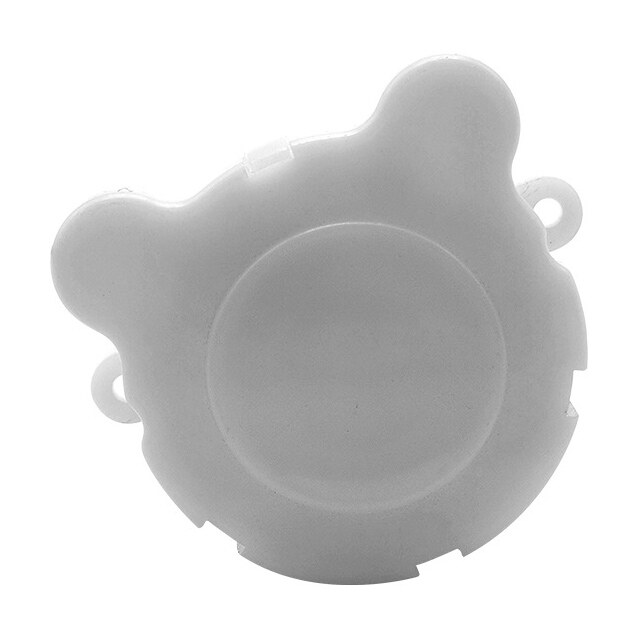
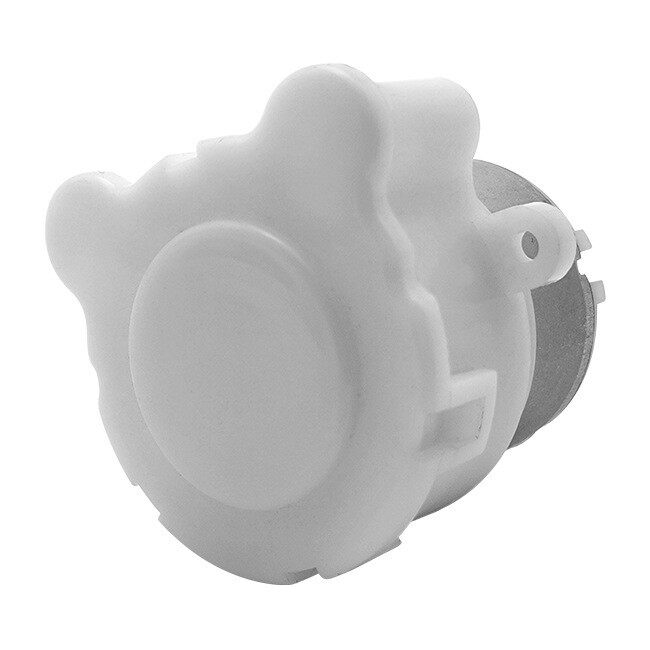
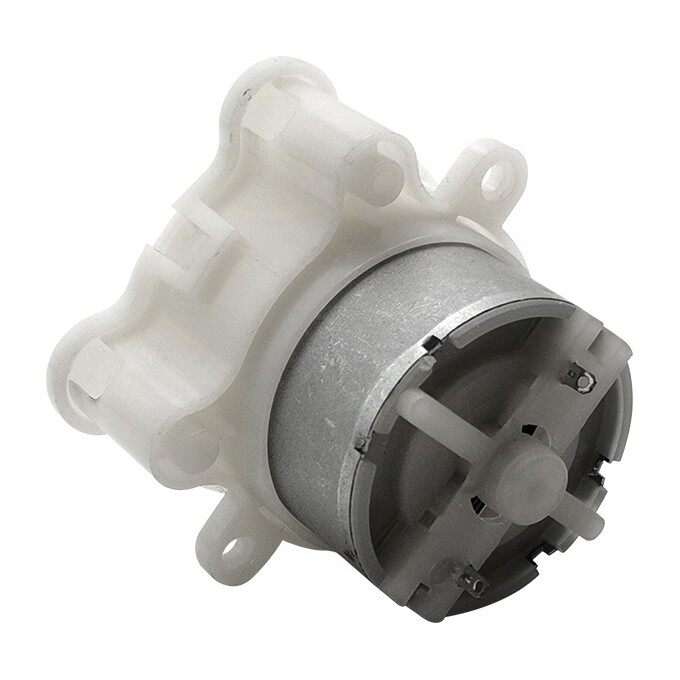
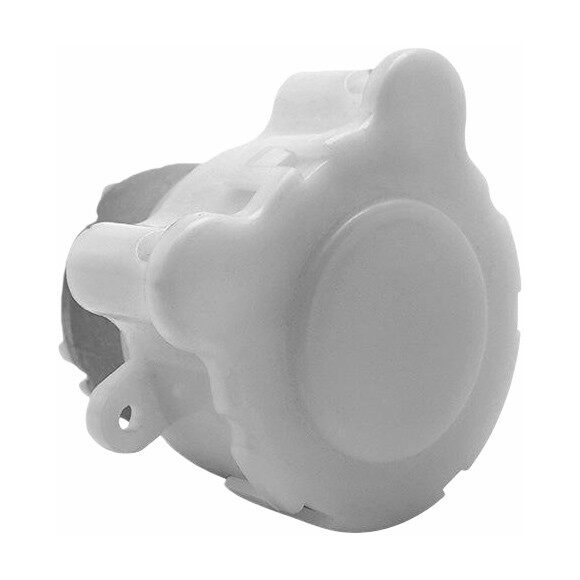
Why choose our Mini peristaltic pump 12v?
Power Your Innovation with Pinmotor's High-Pressure Solutions.
More organized tubing layout
The inlet and outlet are positioned on the same side, allowing tubing to run in a single direction. During installation, the tubing can be neatly aligned without crossing, making it easier to route in compact spaces.
advantages:Easier installation, less space required, and a cleaner internal layout.
More stable mounting design
Mounting holes with screws are provided on both sides of the pump head, allowing direct front-side fixation. Compared to designs that only secure the motor, this structure provides stronger overall stability and reduces loosening in vibrating environments.
advantages:More stable operation and lower risk of failures caused by loosening.
Independent fluid handling
The pump works by a rotor compressing the tubing to move liquid. The fluid only flows inside the tube and does not come into contact with the pump body, helping maintain fluid purity. The tubing is also easy to replace.
advantages:Cleaner operation, simpler maintenance, and lower long-term usage cost.
Product Parameters

| Product Model |
500-XA Mini peristaltic pump 12v |
||||
| Rated Voltage | DC 3V | DC 3.7V | DC 4.5V | DC 6V | DC 12V |
| Rated Current | ≤800mA | ≤650mA | ≤530mA | ≤400mA | ≤200mA |
| Power | 2.4 W | ||||
| Air Tap O.D. | Ø5.0mm | ||||
| Water flow | 100-300mLPM | ||||
| MaximumVacuum | ≤-20Kpa(-150mmHg) | ||||
| Noise Level | ≤65db (30cm away) | ||||
| Life Test | ≥100,000Times (ON 2s, OFF2s) | ||||
| Pump Head | ≥0.5m | ||||
| Suction Head | ≥0.5m | ||||
|
Weight |
56g | ||||
Need a Custom Pump? Partner with the Pinmotor Industry Experts.
What are the key applications of the Micro peristaltic pump?
Smart Home & Cleaning Devices
Application: Robotic vacuum cleaners, floor scrubbers, smart toilets.
The pump is mounted inside the fluid module. The same-side inlet and outlet allow tubing to run along the internal structure without crossing. The pump is fixed to the chassis with mounting ears, keeping it stable during movement and vibration, and supplying cleaning liquid or water to the nozzle or mopping system.
01
Medical Diagnostics & Laboratory Equipment
Application: Portable diagnostic devices, microfluidic systems, small analyzers.
The pump is integrated into the fluid path and connected to reagent bottles, reaction chambers, or microfluidic chips via tubing. It moves liquid by compressing the tube, delivering set volumes to the target point while keeping the fluid isolated from the pump body.
02
Beauty Care & Smart Personal Devices
Application: Beauty devices, aroma diffusers, portable dispensers.
The pump sits near the reservoir inside the housing and connects to the outlet or atomizing unit through short tubing. It drives liquid such as serum or fragrance into the spray or diffusion part through tube compression.
03
Industrial Automation & Precision Filling
Application: Dosing systems, micro-filling equipment, small production lines.
The pump is installed as a separate unit on the machine frame. The inlet connects to the supply tank and the outlet to the dispensing head. Output is controlled by motor speed, adjusting the amount delivered for filling or dosing tasks.
04
Frequently Asked Questions
The Heart of Your Product Deserves a Pinmotor.
Is customization available?
+
-
Yes. We offer custom options for tubing materials (e.g., BPT, Silicone), motor types (Brushed/Brushless), and connector specifications to meet your needs.
Do you offer bulk discounts?
+
-
Yes. We provide tiered wholesale pricing. The larger the order, the better the unit price. Please contact our sales team for a quote.
Is the tubing installation difficult?
+
-
Not at all. The inlet and outlet ports feature a parallel downward design, allowing for streamlined bundling and cable management in tight spaces.
What should I do if the pump malfunctions?
+
-
First, check the power supply and ensure the tubing isn't clogged. If the issue persists, contact our technical support. We offer free repairs for non-accidental damage within the warranty period.
Does the tubing need regular replacement?
+
-
Yes. As the only consumable part, the tubing is designed for quick and easy replacement without disassembling the pump body. We recommend periodic replacement based on usage frequency.
Certificates and Commitments
Certified Excellence. Global Supply. Pinmotor.

RoHS Certification
Certifies our commitment to environmental safety by strictly restricting hazardous substances.

IATF 16949
Confirms adherence to strict automotive quality standards for maximum reliability.

CE Certification
Ensures full compliance with EU safety standards for seamless market access.

ISO 9001
Guarantees a rigorous, systematic quality management approach across all production processes.


