


Low-Noise Water Transfer in Enclosed Equipment
Pump noise in a finished product depends on more than the pump itself.
After installation, the enclosure, mounting method and tubing contact can transfer motor vibration into the housing. A rigid mounting surface or tubing pressed against the casing may make the finished equipment sound louder than the pump during bench testing.
For products used on countertops, in bedrooms, bathrooms or other indoor spaces, the pump should be checked after it is installed in the final enclosure.
This is especially useful for equipment where the pump operates close to the user.
Reservoir Position and Self-Priming
The self-priming diaphragm structure allows water to be drawn through the inlet tube without requiring the reservoir to remain directly above the pump.
This gives more freedom when arranging the tank and pump inside the equipment.
A typical layout is:
Reservoir → Pump → Outlet / Rinse Head / Small Nozzle
Actual priming performance is affected by the vertical distance from the water level to the pump, inlet tube length and the sealing of the water line.
Air leakage at the tube or connector can reduce priming performance even when the pump itself is operating normally.
Technical Data for Initial Product Evaluation
The following values provide a quick reference for early-stage engineering review. Final selection should be based on the complete product datasheet and testing in the intended water circuit.

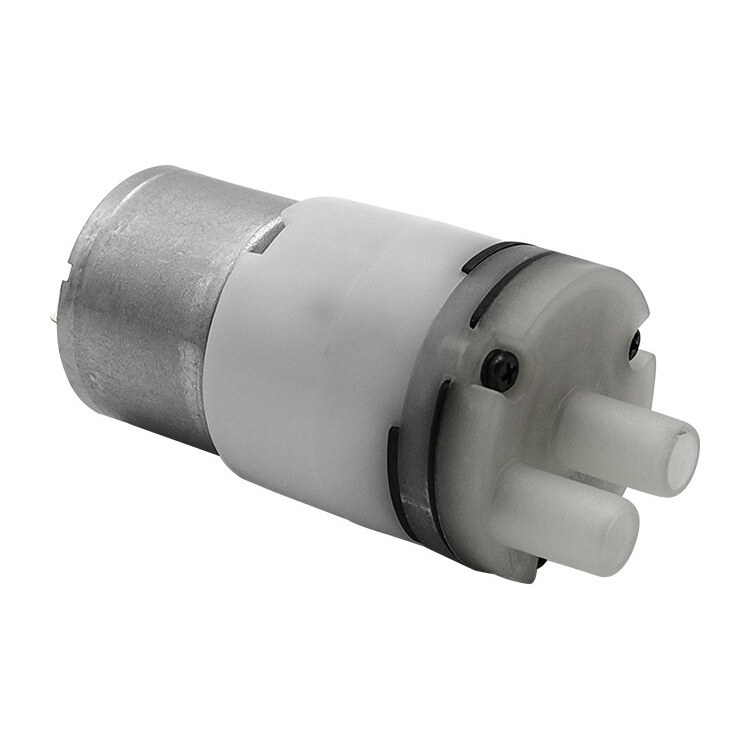
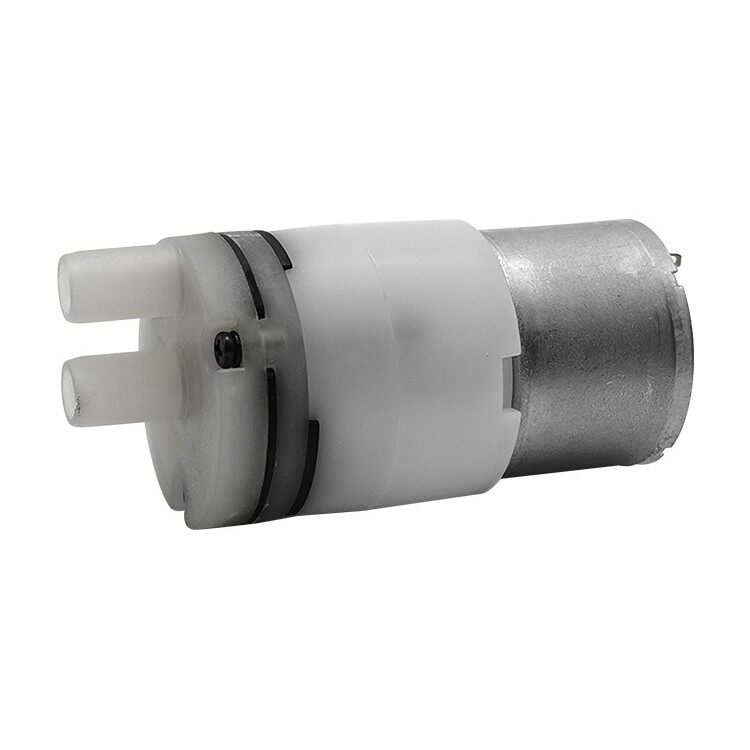
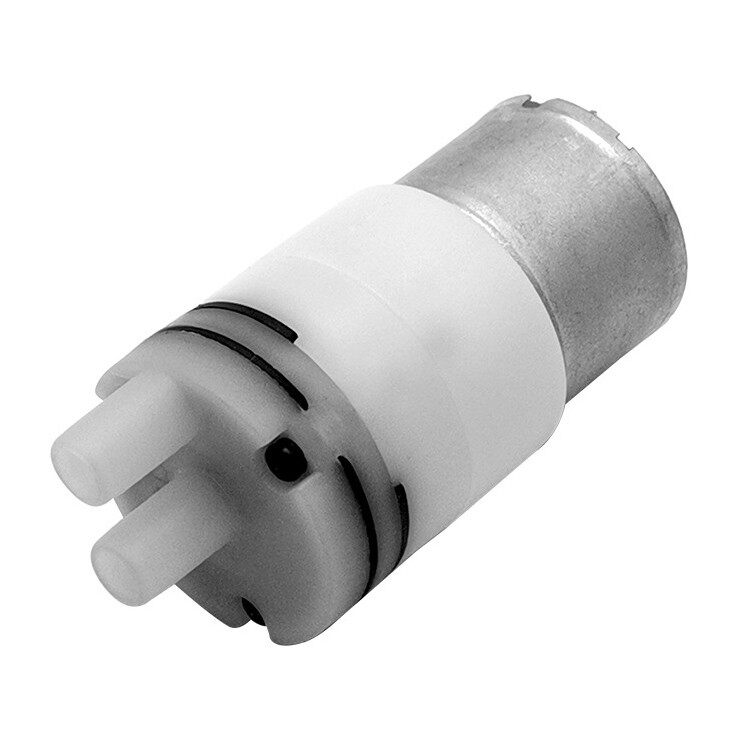
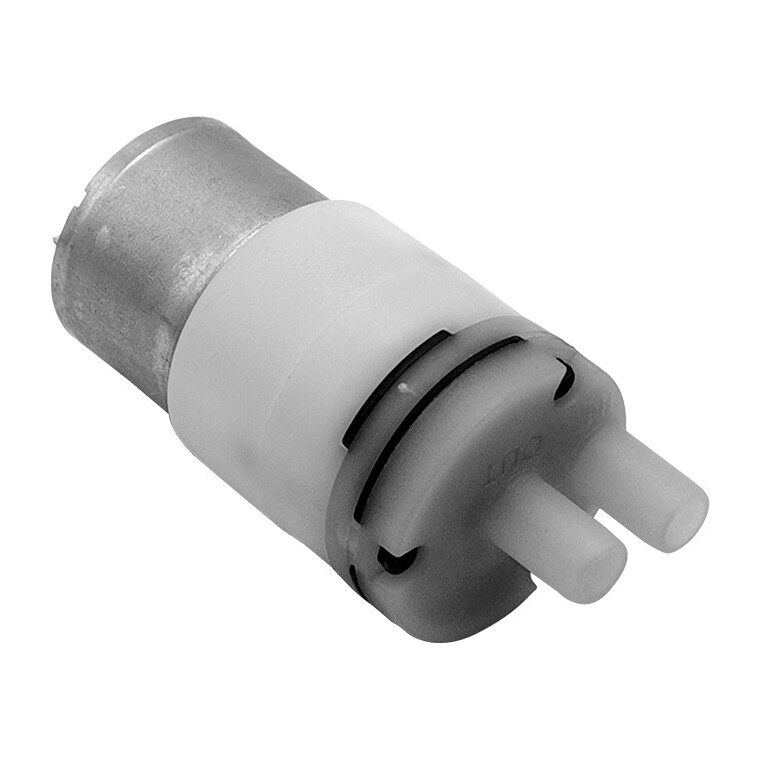
| Product Model | 310-XC Micro Water Pump | |||
| Rated Voltage | DC 3V | DC 6V | DC 9V | DC 12V |
| Rated Current | ≤1200mA | ≤600mA | ≤400mA | ≤300mA |
| Power | 3.6 W | 3.6 W | 3.6 W | 3.6 W |
| Air Tap O.D. | Ø6.5mm | |||
| Maximum Water Pressure | ≥30PSI (200kpa) | |||
| Water Flow | 0.3-1.2 LPM | |||
| Noise Level | ≤65db (30cm away) | |||
| Life Test | ≥ 200 hours (continuous) | |||
| Pump Head | ≥2m | |||
| Suction Head | ≥2m | |||
| Weight | 40g | |||
Send the reservoir position, lift height and required water flow for sample selection.
Water Delivery Applications Requiring Quiet Operation
The pump is suitable for intermittent or controlled water transfer where the reservoir and outlet are connected through tubing.
Facial Cleaning and Personal Rinse Equipment
Water can be transferred from an internal tank to a cleaning head, rinse outlet or other liquid-delivery section in personal-care products.
Pump vibration should be checked after final assembly, especially in handheld or countertop equipment.
Automatic Pet Drinking and Refill Systems
The pump can be used for controlled water refill or transfer in automatic pet drinking equipment and other indoor pet-care products.
Lower operating disturbance is useful where the equipment remains active in living spaces.
Indoor Plant Watering and Hydroponic Units
Water can be drawn from a storage tank and delivered to planting areas at scheduled intervals.
This makes the pump applicable to tabletop planters, indoor growing equipment and small automatic watering systems.
FAQ
Q: Can the water reservoir be installed below the pump?
A: Yes. The self-priming structure allows the pump to draw water from a separate reservoir. Actual priming performance depends on suction height, tubing length and sealing.
Q: Why can the pump sound louder after installation?
A: The housing, mounting surface and tubing can transfer vibration from the pump. Installed noise should therefore be checked in the finished equipment rather than from the pump alone.
Q: Can the pump run continuously?
A: The current product data includes a ≥200-hour continuous-operation life test. The required working pattern should still be confirmed according to the finished equipment.


