

When a mini water pump fails, it's rarely just a component issue-it's a system-wide halt. Whether you are managing a coffee machine, a medical aspirator, or a cooling system, a pump failure can lead to costly downtime.
This professional guide provides a structured, step-by-step approach to diagnosing and fixing the most common failures in 12V/24V DC micro pumps.
Safety First: Always disconnect the power supply before inspecting or disassembling any fluid-handling device.
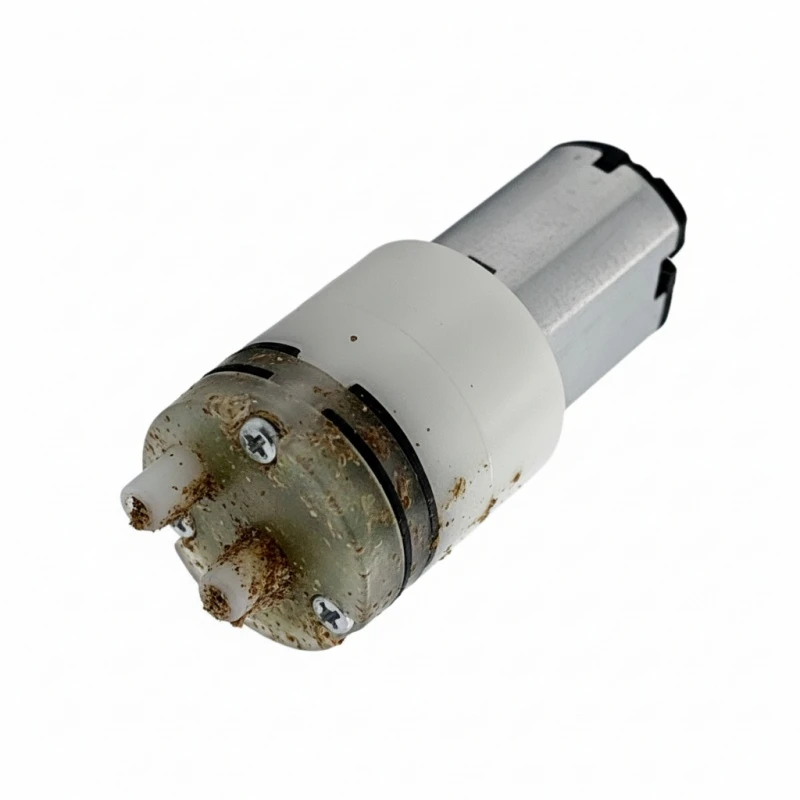
Preliminary Diagnosis (Sound vs. Flow)
Effective troubleshooting starts with precise observation. Start by identifying the dominant symptom:
Flow Issues: The pump is running (vibrating), but there is low or no water output.
Sound Issues: The pump is functioning, but making abnormal or excessive noise.
Problem A: Low or No Water Flow (Hydraulic Failures)
If the motor is spinning but fluid is not moving, the issue is almost always within the fluid path.
1. Clogging & Mineral Scale (The #1 Culprit)
In applications using tap water, calcium buildup (limescale) is the most frequent cause of failure.
The Fix: Soak internal components in a 10% citric acid solution for 30 minutes.
Pro Tip: For biological buildup (algae/film), use a specialized medical-grade cleaner or filtered water to prevent recurrence.
2. Air Leaks & Priming Issues
If the pump is "choking," it may be suckling air instead of water.
Check the Seals: Inspect O-rings and gaskets for cracks.
Material Science: At PinMotor, we use high-grade FKM or EPDM seals to ensure long-term chemical resistance and vacuum integrity, reducing common leak points.
3. Obstruction in the Inlet Filter
A small piece of debris in the mesh filter can cause a massive drop in GPH (Gallons Per Hour).
Action: Regularly clean the pre-filter. A "maintenance-free" pump still requires a clean intake.
Problem B: Unusual Operating Noises (Mechanical Failures)
The type of noise tells you exactly what is wrong inside the pump housing.
1. Cavitation (The "Gravel" or "Cracking" Sound)
If your pump sounds like it's pumping gravel, it is experiencing cavitation. This happens when the inlet is restricted, creating vacuum bubbles that implode.
Solution: Immediately check for a kinked inlet tube or a blocked filter. Cavitation can destroy an impeller in hours.
2. Consistent Grinding or Screeching
This indicates a mechanical friction issue.
Worn Bearings: A common issue in low-quality brushed motors.
Misaligned Impeller: If the pump was dropped, the impeller might be scraping the housing.
The PinMotor Advantage: Our Brushless DC (BLDC) pumps utilize high-precision ceramic shafts to eliminate the grinding noise associated with traditional bearing wear.
Electrical System Validation
If the hydraulic and mechanical paths are clear, use a multimeter to verify:
Voltage Stability: Ensure the input matches the rating (e.g., exactly 12V or 24V). Under-voltage causes the pump to hum without turning; over-voltage can burn the coil.
BLDC Controller Check: If you are using a brushless pump, ensure the PWM signal (if applicable) is sending the correct speed command.
Repair vs. Replacement: A Decision Matrix
| Symptom | Probable Cause | Recommended Action |
| Humming / No Flow | Clogged Impeller | Clean & Flush |
| Leaking Water | Worn O-Rings | Replace Seals |
| "Gravel" Noise | Cavitation | Clear Inlet Path |
| Burnt Smell | Electrical Surge | Replace Pump Module |
FAQ
Q1: Why is my mini pump vibrating but not pumping?
A: This is likely a "prime" issue. Ensure there is no air trapped in the pump head. Try tilting the pump to let air bubbles escape through the outlet.
Q2: How often should I clean my micro pump?
A:For medical or industrial use, a monthly inspection of the inlet filter is recommended. In "clean water" applications, a quarterly descale with citric acid is sufficient.
Q3: Can I run my mini pump dry?
A: Most centrifugal mini pumps are not designed for dry running. Doing so can cause immediate damage to the seals and impeller due to friction heat.
Conclusion: Prevention is Cheaper than Repair
The most effective way to handle pump failure is to prevent it. By choosing a high-quality PinMotor BLDC pump, you benefit from advanced materials and precision engineering that minimize the most common failure points-clogging and mechanical wear.
Still having pump issues?
Contact PinMotor's Technical Team for a Free Diagnostic Consultation